SERIES: MY HAIR LOSS TREATMENT JOURNEY Topical Treatments

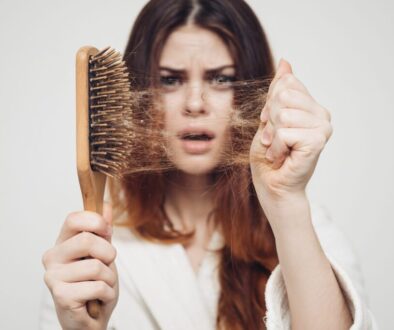
While medications such as oral contraceptives and spironolactone helped to slow my hair loss, I found they weren’t enough. I needed to fight this thing from the inside and the outside. The topical treatment Rogaine was added to my daily beauty regimen. The doctor recommended men’s strength 5% Minoxidil topical solution. I found the foam was easier to work with than the liquid form as I didn’t have to chase the drops around to get to my problem areas.
Rogaine’s ingredient Minoxidil was first used in pill form in the 1970s to treat hypertension. Those patients who were balding discovered an unusual, but happy side effect from the drug: hair regrowth. This led to the development of the topical formula launched in the late 1980s and a stronger version in the early 1990s.
While scientists know Minoxidil works, they don’t exactly know how or why it does. A common theory is that it opens blood vessels in the scalp to allow more nutrients, blood and oxygen to the follicles. For women, it stimulates inactive follicles from the resting phase to the anagen phase. According to a study of 11,000 people who used Rogaine for at least one year, 92% reported a slowing or stopping of hair loss. However, using Rogaine is a lifelong commitment, as stopping will resume shedding.
While topical treatments helped to slow my hair loss, they may not be right for everyone. It’s important to consult a medical professional about any hair loss concerns you may have and discuss what you should or shouldn’t take. Remember, everyone’s body is different and what may work for some may not work for others.
For more information on topical treatments for hair loss check out the links below: