A Brief History of Hair Cuts AND STYLES

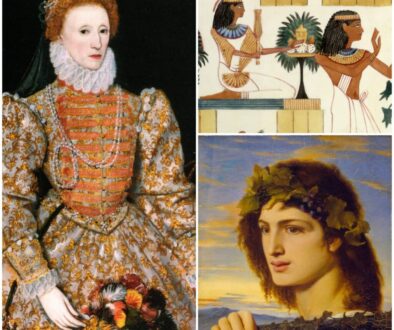
Since time began people have been styling their hair. They did it to show allegiance or involvement with a particular group, to participate in traditions and customs or for simply decoration. Evidence of hair styling dates back to 30,000 BC with the discovery of the statuette Venus of Willendorf, which depicts a woman with braided hair. Ancient Greeks and Romans valued long haired philosophers, however, their locks were not as long as women’s and men could not devote too much attention to their hair as this would appear effeminate. Over in the U.S. fierce Mohawk warriors of the Native American Iroquois League shaved the sides of their head and styled their hair into mohawks using boar grease or resin.
Later, in the 1600’s, military men wore their hair in a long ponytail to differentiate them from lower manual laborers. In the 1700’s, tall wigs were worn as a sign of high status for those who didn’t need to work. Fast forward to the modern 1920’s, women wore their hair in a short bob to reject social conventions. Twenty years later in the 1940’s, the German undercut commonly known as the ‘island cut’ because the long patch of hair surrounded by shorter hair looked like an island, was popular with European men. In the U.S. the crew cut, which originated from the 1930’s Ivy League rowing teams or ‘crews’, became the United States Military standard. Not interested in fitting these standards, the Screaming Eagles, the WWII U.S. paratrooper division sent to Normandy on D Day, decided to transform their hair into mohawks after being inspired by one Native paratrooper.
In the 1950’s, men were seen rocking ‘rockabilly’ hairstyles similar to Elvis Presley with long length and tons of brilliantine sculpted into a curly quiff. The 1960’s saw women becoming more liberated and cutting their hair into shorter, low maintenance styles while British men opted for a carefully shaped and tapered ‘no-product haircut’. As the Vietnam War continued, long-haired hippies were a common sight as they protested the war and the uptight previous generation’s ideals. Ten years later in the 1970’s, the afro became popular as African-American ethnic identity became celebrated along with curly, large hair. In the 1990’s “The Rachel” cut, worn by actress Jennifer Aniston on the sitcom “Friends”, was sought after by many who wanted to look like the character.
Today, hair cuts, colors and styles seem to change as fast as people can scroll through their social media feed. Internet influencers seem to dictate trends overnight as new hair styles can easily be achieved in a few hours with the help of at home hair dyes and a sharp pair of scissors.
Hair has long been an expression of a group or an individual’s identity and it can convey messages of heath, status, power or religiosity all with a single glance. Whatever statement or identity an individual wants to portray is entirely up to the hair owner. For more information on how Advanced Hair Restoration can help you achieve your personal hair statement call 610-435-3727 or 888-536-6981 or email contact@hair-replace.com.
For more information on the history of hair cuts and styles check out these links:
A History of the Modern World in 7 Haircuts
Now You Know: How Did Long Hair Become a Thing for Women?
A Short History of the Haircut